

Need in dialysis services
Renal-care systems depend on trained dialysis support professionals who can work with precision and consistency.
NCAHP aligned · 4 years · Renal-care technology pathway
Explore whether Dialysis Therapy Technology is the right fit for you, with BDTT eligibility, fee snapshots and a conversation about renal care technology, dialysis workflows and international dialysis technician career options.
Leave the essentials. Admissions will call back with fees, eligibility and pathway guidance.
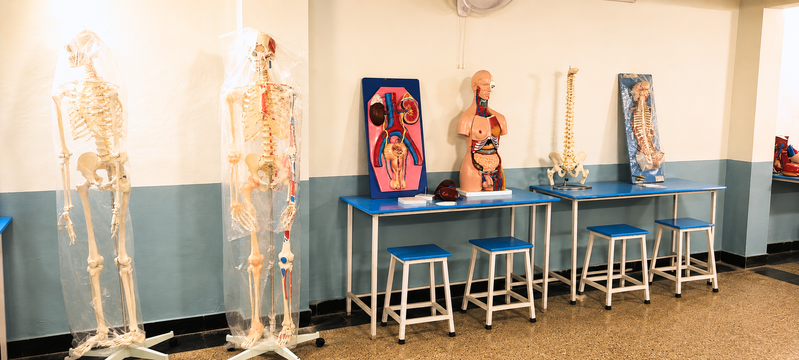 Renal-care careers become easier to evaluate when the service environment feels visible
Inside the BDTT path
BDTT fits students who want healthcare work that combines equipment awareness, clinical discipline and repeated patient interaction. The decision becomes clearer when families understand the importance of dialysis support in long-term renal care.
Why BDTT now
Students considering healthcare technology paths often respond well to BDTT when the patient impact and service environment are clearly explained.
Renal-care systems depend on trained dialysis support professionals who can work with precision and consistency.
The degree gives students a defined clinical context instead of a broad, abstract science path.
Parents can understand eligibility, fees and the real nature of dialysis work before deciding.

Career directions
BDTT prepares students for a focused care environment. Students should understand the rhythm and responsibility of dialysis work before applying.
Support dialysis sessions, machine readiness and patient-care continuity within renal-care units.
Contribute to structured treatment workflows and patient monitoring support during dialysis care.
Work in settings where long-term treatment discipline and patient trust matter every day.
The degree also builds comfort with equipment processes, hygiene standards and workflow accuracy.
Students may later explore wider hospital technology roles and specialised renal-care exposure.
Parent decision lens
Families evaluating BDTT want to understand the seriousness of renal-care settings, the student’s comfort with repetitive precision and the long-term value of dialysis service work.
 Built for student and parent enquiries
Admissions next step
Get the essentials first, then make an informed choice with an admissions conversation tailored to the student.
Common questions
BDTT questions students and parents ask before applying.
Students who meet 10+2 with Physics, Chemistry and Biology (PCB / PCMB) can discuss their eligibility with admissions.
BDTT is a four-year undergraduate degree focused on dialysis workflows, renal-care support and patient-facing clinical discipline.
Career directions include dialysis therapy technologist roles, haemodialysis support, renal-care service environments, clinical technology readiness and future hospital pathway growth.