Meaningful day-to-day work
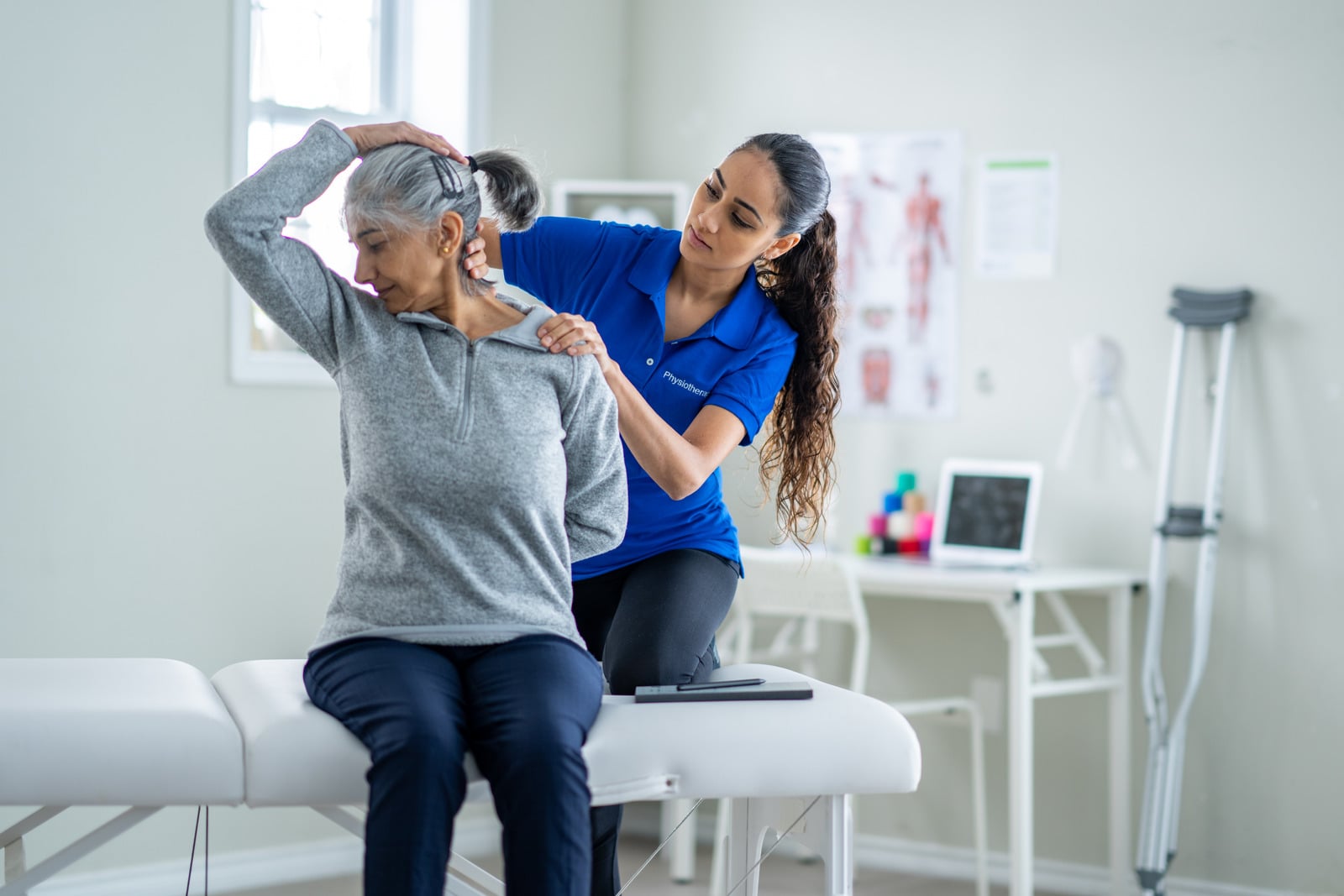
BOT professionals help children, adults and older patients regain participation in daily life, school, work and community settings.
NCAHP aligned · 5 years including internship · Hyderabad campus
Explore whether BOT is the right fit for you, with BOT admission guidance, BOT eligibility, fee snapshots and a conversation about occupational therapy scope, rehabilitation practice and global career pathways.
Leave the essentials. Admissions will call back with fees, eligibility and fit guidance.
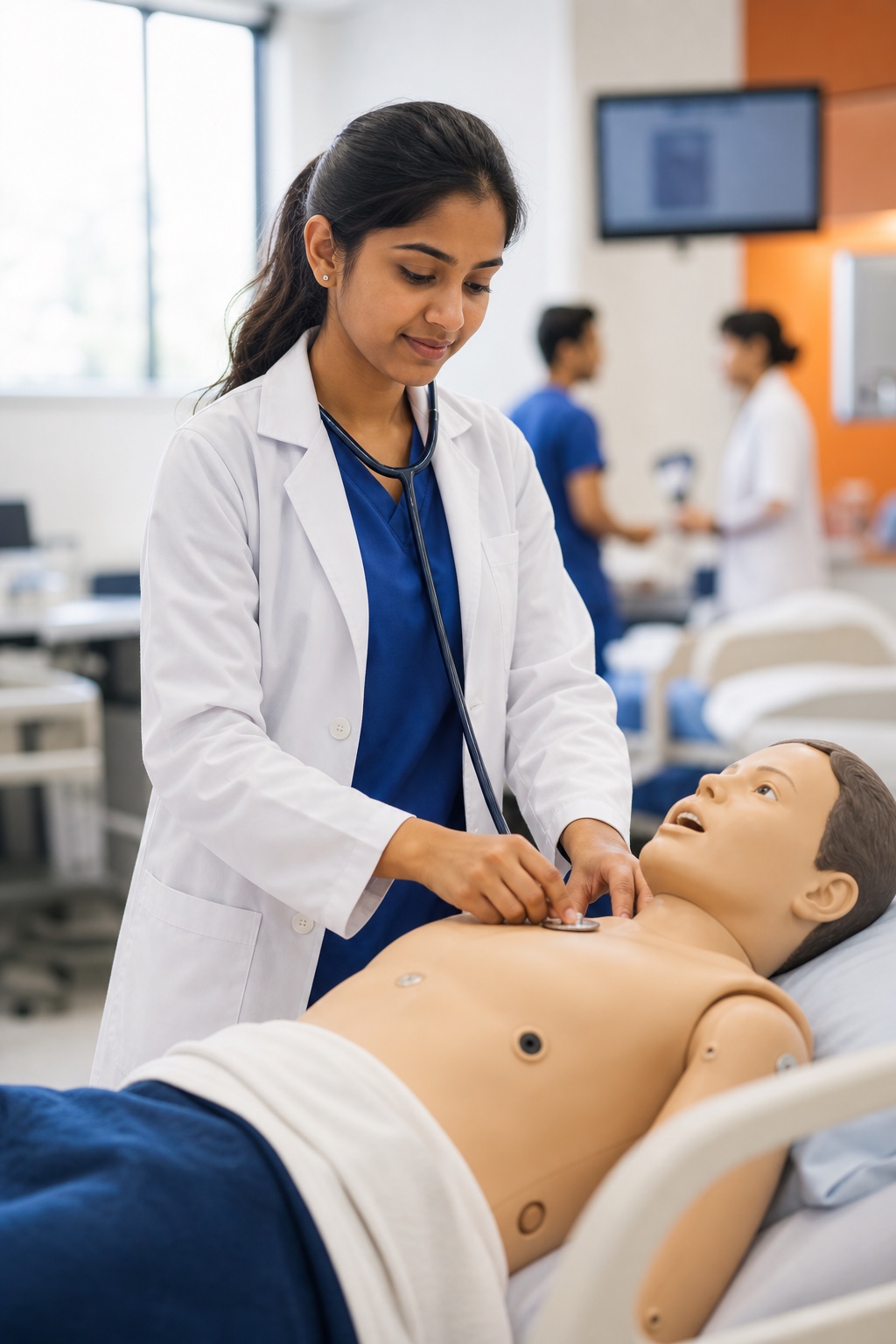 Rehabilitation-focused training conversation
Inside the BOT path
BOT is for students who want to help people return to everyday life after illness, injury or developmental challenges. You will explore functional recovery, adaptive strategies, neuro rehab, paediatric support and patient independence.
Why BOT now
Occupational therapy sits at the intersection of healthcare, rehabilitation and functional independence. It appeals to students who want direct patient work, problem solving and a degree that can branch into multiple practice settings.
BOT professionals help children, adults and older patients regain participation in daily life, school, work and community settings.
Neuro rehab, paediatrics, orthopaedics, community disability support and geriatric care continue to expand the need for trained therapists.
Before applying, you can discuss eligibility, fees, campus life, career scope and whether a rehabilitation-focused role suits the student.
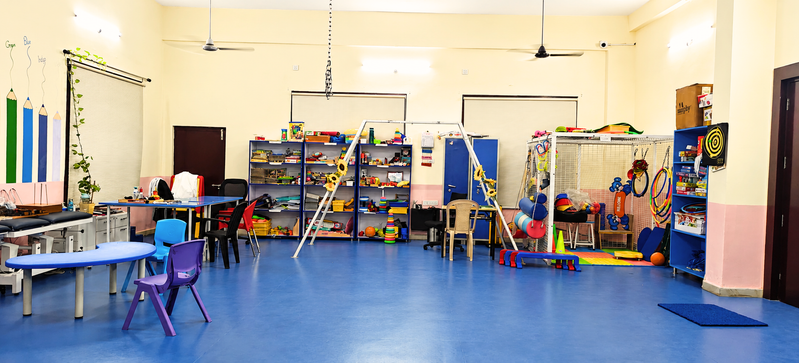
Career directions
Students often start with one idea of occupational therapy and discover a wider clinical map after understanding the field properly.
Support stroke, spinal cord injury and neurological recovery with function-focused intervention plans.
Work with developmental, sensory and school-readiness needs in child-centred care environments.
Help patients recover movement, function and routine independence after injury or surgery.
Build participation-focused strategies for social reintegration, habit building and adaptive daily living.
Contribute to adaptive environments, inclusive education settings and support for long-term independence.
Parent decision lens
Families can weigh the questions that matter: where the student could work, what practical training feels like and how BOT can build a long-term identity in rehabilitation care.
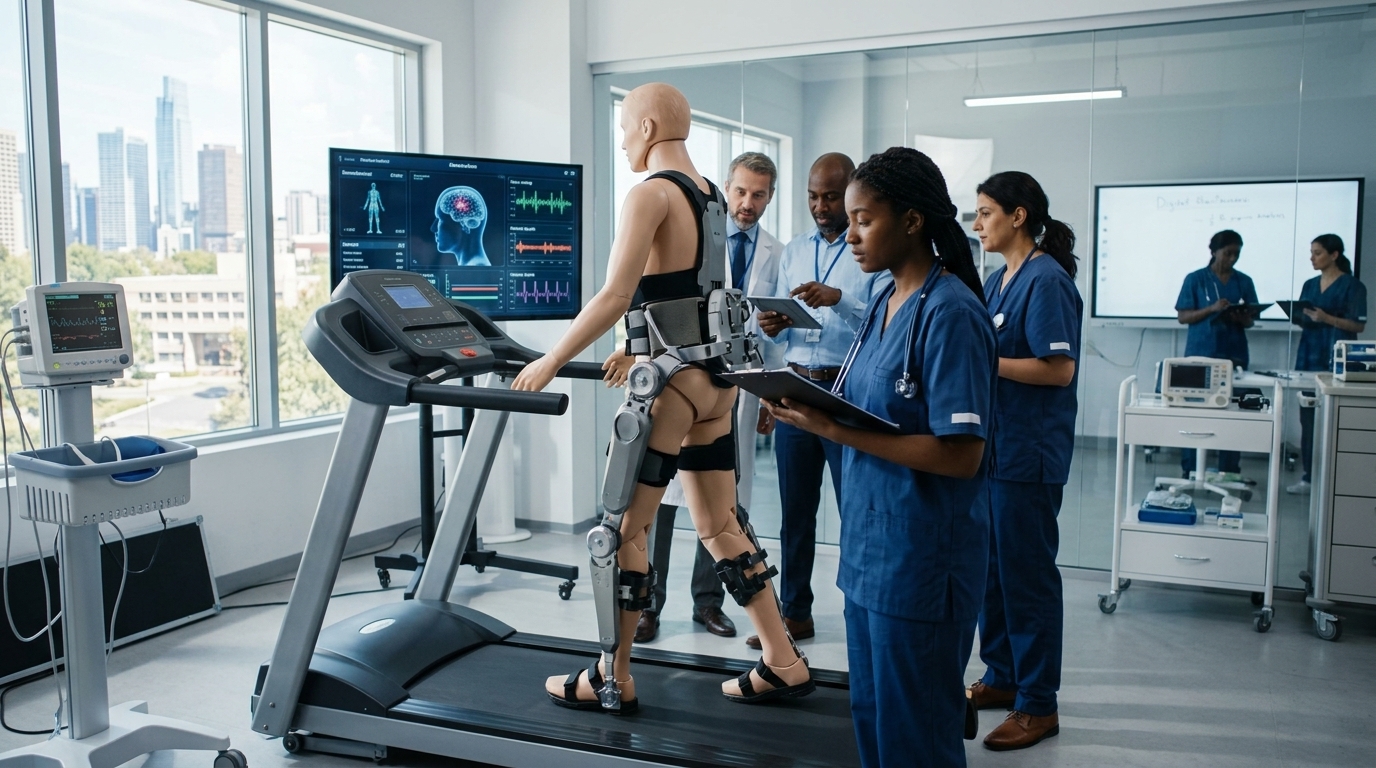
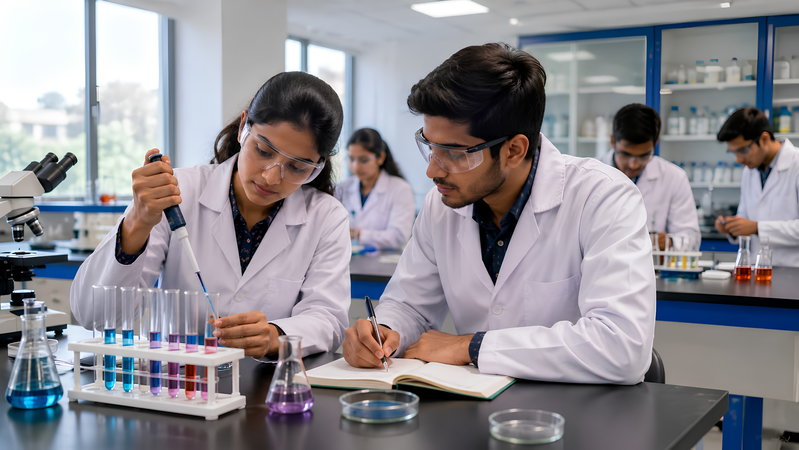 Training built around practice
Admissions next step
Get the essentials first, then make an informed choice with an admissions conversation tailored to the student.
Common questions
BOT questions students and parents ask before applying.
Students who have completed or are appearing for 10+2 with Physics, Chemistry and Biology (PCB or PCMB) can discuss their eligibility with admissions.
BOT is a five-year program, including a one-year internship that helps students transition from academic learning into rehabilitation practice.
BOT can lead toward neuro rehabilitation, paediatric practice, orthopaedics and hand therapy, community rehabilitation and assistive practice.